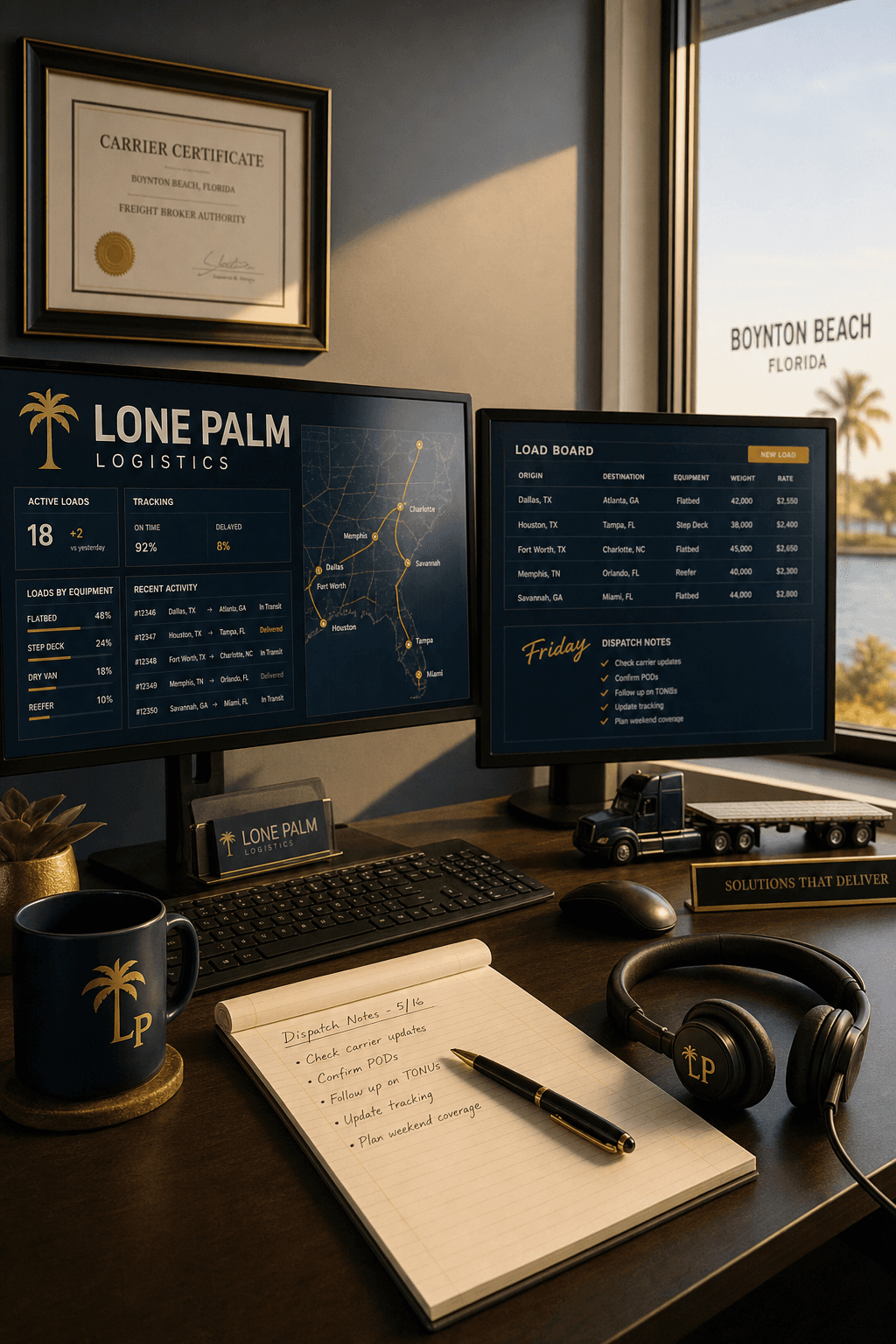
LTL freight shipping 2026 enables small businesses to reduce logistics costs by 5 to 15 percent by paying only for the trailer space their specific pallets occupy. Companies can avoid surprise charges by mastering NMFC classifications and utilizing digital tools to optimize shared truck capacity for smaller, frequent shipments. This approach balances cost efficiency with the flexibility needed to manage 1 to 6 pallet loads effectively.
Managing LTL freight in 2026 remains a persistent challenge for small to mid-sized businesses, especially as carriers tighten their dimensional requirements and billing precision. If your bottom line is suffering from frequent re-classes or unexpected accessorial fees, you are likely operating with an outdated logistics framework; as the industry pivots toward total digital transparency, passive shipping habits become expensive liabilities. This guide provides a practical roadmap to help you regain control over your logistics budget. You will discover how to navigate the complexities of freight class traps, predict hidden surcharges before they occur, and determine the optimal balance between LTL and FTL modes. Additionally, we will explore how leveraging advanced tracking technology and partnering with certified MWBE brokerages can transform your supply chain into a strategic advantage rather than a recurring cost center.
The State of LTL Freight Shipping in 2026: What Shippers Must Know
The 2026 logistics landscape reflects a significant departure from the manual processes of the past. Shippers currently navigate a market defined by tighter capacity and projected rate increases ranging from 6 to 9 percent. These rising costs are driven by carrier consolidation and the ongoing infrastructure investments required to maintain nationwide hub and spoke networks. Understanding the nuances of LTL freight shipping 2026 and leveraging professional LTL freight services is no longer optional; it is a requirement for maintaining healthy margins.
Technology has eliminated the margin for error that existed during the hand measured era. National carriers now utilize automated dimensionalizers for nearly 95 percent of all shipments. These laser scanning systems capture precise length, width, height, and weight as pallets move through terminals. In contrast to the older days of manual tape measures and estimates, today’s automated environment means that even a minor discrepancy between the Bill of Lading and the actual pallet dimensions results in immediate re-classification and costly administrative fees.
Success in this environment requires more than just booking a truck. It requires a strategic approach to data accuracy and carrier selection. Based in Boynton Beach, Florida, Archangel Global Logistics serves as a specialized partner for businesses moving goods across nationwide lanes and into Canada. We provide the expert oversight necessary to verify shipment specifications before they reach the carrier terminal. By combining our status as an MWBE certified logistics partner with deep market expertise, we help shippers mitigate the impact of capacity crunches and ensure that every shipment is optimized for the current technological climate.
Mastering the NMFC: Avoiding the Costly Freight Class Trap
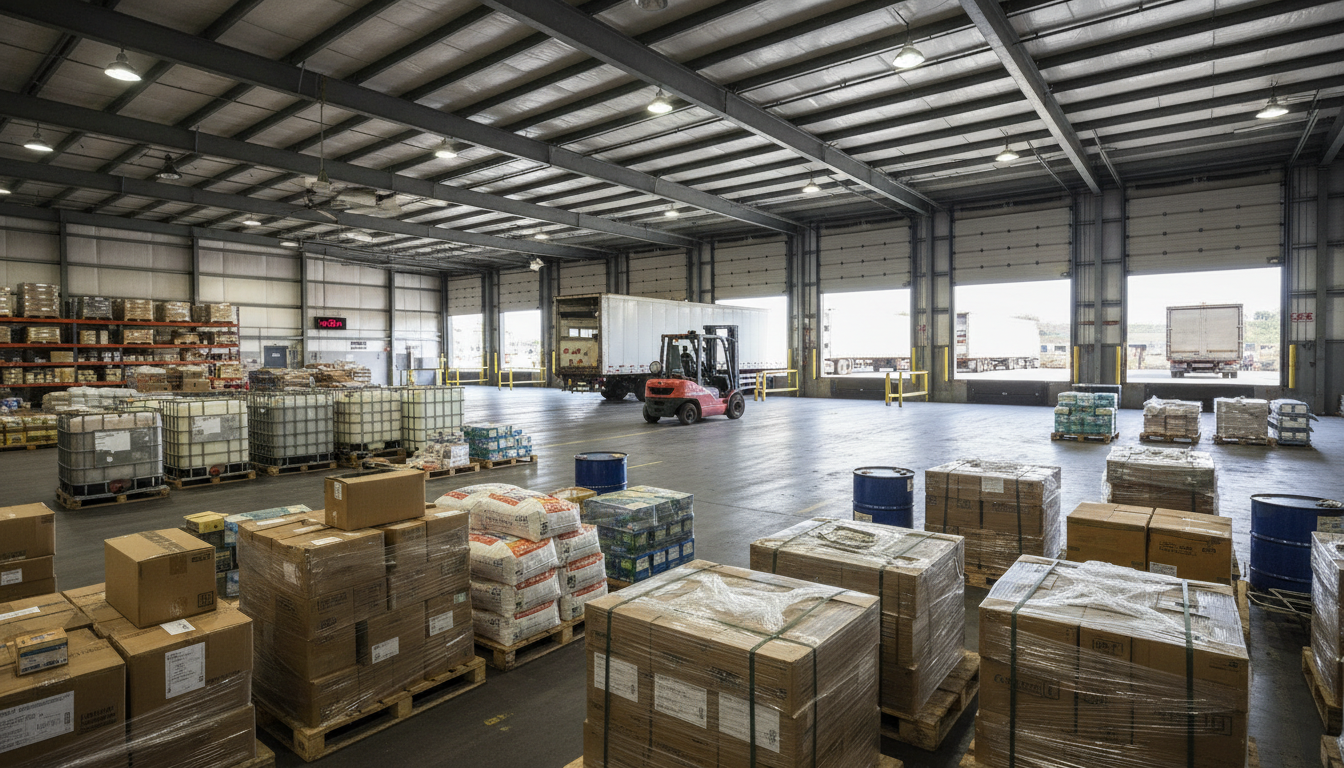
Navigating the National Motor Freight Classification (NMFC) system is the most critical technical skill for managing LTL freight shipping 2026. The NMFC categorizes commodities into 18 distinct classes, ranging from class 50 (the least expensive) to class 500 (the most expensive). These classifications are determined by four primary characteristics: density, stowability, handling, and liability. While all four matter, density has become the primary driver of cost in 2026 because it dictates exactly how much revenue a carrier can generate per cubic foot of trailer space.
NMFC Factor | Definition | 2026 Impact |
|---|---|---|
Density | Weight per cubic foot (PCF) | The primary metric used by automated terminal scanners to verify class. |
Stowability | Ability to stack or fit with other freight | Items that cannot be stacked or have odd shapes trigger higher classes. |
Handling | Degree of care or specialized equipment needed | Affects the speed at which freight moves through hub terminals. |
Liability | Value and susceptibility to damage or theft | Higher value items carry higher classes to offset carrier risk. |
Guessing a freight class is a high risk strategy that leads to immediate and non-negotiable billing adjustments. In the current market, even a slight shift in density can trigger a reclassification that breaks a budget. For example, if a shipment of industrial equipment is quoted as class 70 but the carrier's dimensionalizer determines the density actually falls into class 125, the base rate can easily double. A shipment originally quoted at $450 can quickly escalate to over $950 once the correction is processed. This happens because class 125 occupies more volume relative to its weight, and carriers are no longer willing to absorb the cost of misallocated trailer space.
To maintain accuracy, shippers must measure the dimensions of the final palletized unit, not just the product itself. A three inch overhang on a standard 48x40 pallet or a pallet that is slightly taller than reported changes the cubic footprint significantly. Precision at the point of origin is the only way to ensure the quotes received for LTL freight services remain valid through the final invoice. For commodities with complex density scales or those that are difficult to categorize, contact our logistics experts to perform a class audit before the freight leaves your dock in Boynton Beach or any nationwide facility.
How to Predict and Prevent Surprise Accessorial Charges

Accurate dimensions and NMFC classes are only half the battle in maintaining a predictable shipping budget. Shippers often face "silent killers" that inflate final invoices by 20 to 40 percent through post-delivery adjustments. Liftgate fees, residential delivery surcharges, and limited access fees remain the most frequent triggers for these unexpected costs. In the landscape of LTL freight shipping 2026, carriers have shifted from relying on driver notes to using sophisticated geofencing and satellite data. If a delivery address falls within a zone flagged as a school, construction site, or government facility, the carrier's system automatically applies a limited access fee. Satellite imagery is now used to verify if a street is too narrow for a 53 foot trailer, which can trigger a mandatory residential surcharge or a smaller pup truck fee before the freight even arrives at the destination terminal.
To prevent these billing surprises, shippers must perform a site audit for every new lane. Use this checklist before requesting LTL freight services to ensure your initial quote is all inclusive:
Does the origin or destination lack a raised loading dock or a forklift? (If yes, select liftgate service).
Is the delivery location a residential address or a business operating in a residential zone?
Does the site require security clearance, an appointment, or have restricted operating hours?
Is the location a high density area or an institutional site like a hospital, mall, or storage facility?
Archangel Global Logistics mitigates these risks by conducting a preliminary address audit for our clients. We utilize carrier maps and internal data to flag potential accessorial triggers before the shipment is booked. By addressing these needs upfront, we help our partners avoid the carrier correction cycle that complicates accounting and erodes profit margins. If your lane involves a high density urban center or a complex rural site, contact our logistics experts to verify your service requirements. As an MWBE certified logistics partner, we provide the manual oversight necessary to challenge automated carrier flags that may be inaccurately applied to your specific delivery site.
The LTL Sweet Spot: When to Choose LTL vs FTL or Parcel
Identifying the most efficient shipping mode requires understanding the specific weight and volume thresholds of LTL freight shipping 2026. Standard LTL services are engineered for shipments weighing between 150 and 15,000 pounds, typically occupying one to six pallet positions. If a shipment falls below 150 pounds, parcel carriers often remain more economical, provided the dimensions do not trigger oversized surcharges. Once a shipment exceeds 15,000 pounds or occupies more than 12 linear feet of trailer space, Full Truckload (FTL) becomes the standard for efficiency and security.
For shipments falling into the middle ground of 6 to 12 pallets, Volume LTL or Partial Truckload serves as a strategic 2026 alternative. These shipments do not always follow the traditional hub and spoke path. Instead, they often remain on a single trailer with other large loads, reducing the manual handling that occurs at transit terminals.
Shipping Mode | Typical Pallet Count | Weight Range | Transit Model |
|---|---|---|---|
Parcel | Loose boxes | 1 - 150 lbs | Automated Sortation |
LTL | 1 - 6 Pallets | 150 - 15,000 lbs | Hub and Spoke |
Volume / Partial | 6 - 12 Pallets | 5,000 - 25,000 lbs | Limited Handling |
FTL (Full Truckload) | 13 - 26 Pallets | Up to 45,000 lbs | Point to Point |
Unlike FTL, which offers direct point to point transit, LTL follows a hub and spoke model. Freight moves from a local terminal to a regional consolidation hub before heading to a destination terminal. This structure allows carriers to maximize trailer density, which keeps LTL freight services affordable for mid sized businesses, though it inherently adds time to the delivery window. Archangel Global Logistics helps shippers weigh these trade offs by analyzing lane data to determine if the cost savings of LTL outweigh the speed of a dedicated truck. If your deadline is firm, contact our logistics experts to evaluate whether a partial or FTL move better serves your supply chain requirements.
Technology and Transparency: Leveraging Tracking in 2026
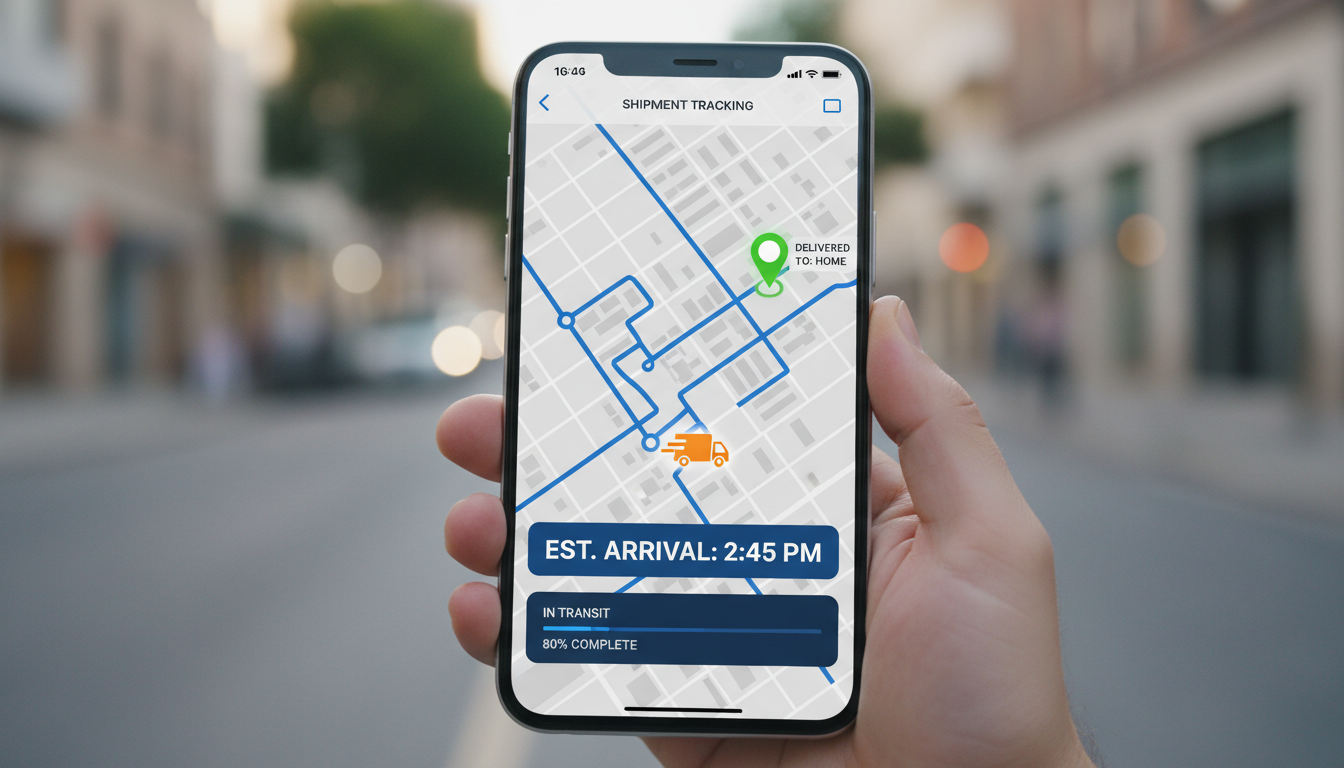
The hub and spoke model inherent to LTL shipping creates multiple points of potential delay, making real time visibility an operational necessity rather than a luxury. In the landscape of LTL freight shipping 2026, providing a simple PRO number is no longer sufficient for managing modern supply chains. Shippers now require active milestone updates that track freight from the initial Florida hub consolidation through every regional terminal transfer. This granular data allows businesses to adjust labor schedules and manage customer expectations before a delay becomes a crisis.
Archangel Global Logistics utilizes advanced routing technology to match shipments with the most efficient regional and national carriers. We specifically optimize lanes originating from South Florida hubs and extending into nationwide routes or across the border into Canada. Unlike generic brokers who rely solely on automated algorithms, our process includes manual oversight from our MWBE certified logistics partner team. This human layer ensures that technology serves the shipper rather than the carrier.
Tracking Feature | Standard Brokerage | Archangel Global Logistics |
|---|---|---|
Tracking Data | Static PRO Number | Active Milestone Updates |
Carrier Selection | Low-cost Algorithm | Strategic Regional/National Match |
Oversight | Automated Only | Manual Team Intervention |
Border Support | Limited | Specialized Canada Lanes |
By integrating these LTL freight services with proactive communication, we eliminate the transparency gaps that often plague mid sized businesses. If your current provider offers only reactive updates, contact our logistics experts to implement a tracking strategy that provides true supply chain control. Our Boynton Beach office monitors every milestone, ensuring that high tech tracking is supported by high touch service.
The MWBE Advantage: Why Certified Brokerage Matters for Your Bottom Line
In the evolving landscape of LTL freight shipping 2026, corporate responsibility and supply chain efficiency have converged. Partnering with an MWBE certified logistics partner such as Archangel Global Logistics (MC-1782914) provides a distinct tactical advantage. For prime contractors and large corporations, working with a SAM.gov registered broker is essential for meeting mandated diversity spend goals. This certification ensures that logistics expenditures contribute directly to corporate social responsibility targets while maintaining the high standards required for LTL freight services.
Beyond the regulatory benefits, our status as a minority and woman owned business fosters a culture of heightened accountability. We operate with a veteran focused approach to reliability, emphasizing precision in communication and mission critical execution. This is particularly valuable for shippers utilizing our Boynton Beach, Florida, location as a strategic hub. From this South Florida base, we provide specialized oversight for nationwide lanes, ensuring that diversity goals are met through superior performance rather than just compliance. When you contact our logistics experts, you engage with a team that views logistics through the lens of professional integrity and long term partnership.
Certification/Status | Impact on Your Bottom Line |
|---|---|
MWBE Certified | Fulfills Tier 1 and Tier 2 diversity spend requirements for major contracts. |
SAM.gov Registered | Simplifies the vetting process for government and prime contractor partners. |
Veteran-Focused | Delivers a higher standard of discipline and reliability in freight management. |
Florida Strategic Hub | Provides local expertise for South Florida shippers moving goods to nationwide markets. |
Navigating the shifting landscape of LTL freight in 2026 requires a proactive approach to cost management and strategic planning. By understanding how to mitigate surprise charges, small businesses can better protect their bottom line. If you find that managing these logistical complexities is becoming too time consuming, you might benefit from expert support. We invite you to explore our comprehensive Services to see how we can help simplify your shipping operations and ensure your freight moves efficiently.