Carriers can determine how carriers should evaluate freight brokers 2026 by prioritizing payment security, checking credit ratings, and identifying red flags like unresponsiveness or hidden fees. Effective evaluation also involves verifying broker credentials to prevent double brokering scams; furthermore, building long-term partnerships requires consistent communication and a proven financial history.
In an era where digital freight scams have evolved into multi-layered operations, carriers can no longer afford to accept rate confirmations based on a high dollar figure alone. The 2026 market demands a more rigorous approach to vetting; the thin line between a profitable haul and a total loss often depends on the broker’s underlying financial solvency and operational integrity. Failing to perform modern due diligence exposes your fleet to non-payment risks and sophisticated double-brokering schemes that can dismantle your bottom line. This guide provides a practical framework for evaluating brokerage partners in the current landscape. You will learn how to verify payment reliability, identify emerging fraud red flags, and understand why certifications like MWBE or SAM registration serve as critical safety signals. We also outline the essential questions to ask before signing any contract to ensure you are building secure, high-value partnerships.
The Shifting Landscape of Freight Brokerage in 2026
The transportation sector in 2026 faces a digital landscape far more complex than the industry of five years ago. Understanding how carriers should evaluate freight brokers 2026 requires a shift in mindset from chasing the highest rate to prioritizing operational security. The rise of AI driven fraud has allowed bad actors to create sophisticated phantom brokerages that mimic legitimate entities with startling accuracy. At the same time, the FMCSA has tightened regulations to combat these risks, making the vetting process a two way street.
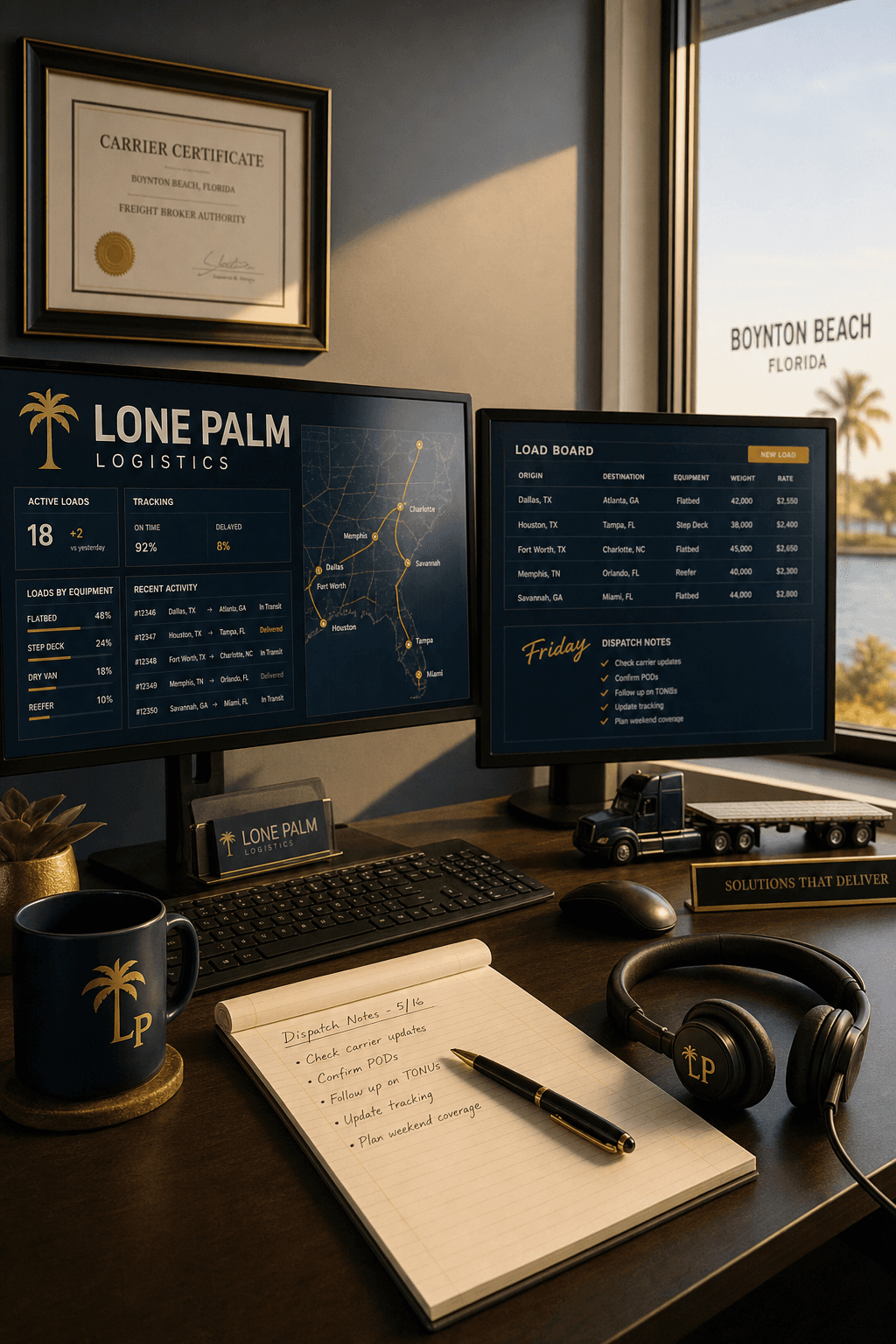
In the past, an owner-operator might have prioritized the top dollar amount on a load board without a second thought. Today, that approach often leads to non-payment or cargo theft. Carriers now must scrutinize a broker’s digital footprint and compliance history with the same rigor brokers use to vet trucks. Archangel Global Logistics, a Florida based firm operating out of Boynton Beach, recognizes that carrier security is the foundation of a healthy supply chain. By offering specialized freight transportation brokerage services, we emphasize transparency and reliability over high risk spot market gambles. Navigating this new era requires partnering with firms that view carriers as long term assets rather than temporary capacity. Reliability is now the primary currency for successful independent operators.
Verifying Financial Solvency and Payment Reliability

In 2026, a high load board credit score is only a starting point. These scores can be lagging indicators that fail to reflect a broker’s current cash flow or recent payment disputes. Expert carriers now look deeper into 'days to pay' history, seeking partners who consistently settle invoices within 21 to 30 days. A credit rating of 90 or higher indicates a broker who prioritizes carrier settlements and possesses the liquid capital to weather market volatility.
Beyond credit scores, carriers must verify a broker’s surety bond directly through the FMCSA Licensing and Insurance portal. Confirming the Form BMC-84 is active and not pending cancellation is a critical step. This verification ensures that the $75,000 bond remains available as a safety net if a broker defaults. This level of due diligence is essential in how carriers should evaluate freight brokers 2026 to avoid the financial pitfalls of undercapitalized intermediaries.
Financial Metric | Target Benchmark | Why It Matters |
|---|---|---|
Credit Rating | 90+ | Indicates low default risk and strong financial health. |
Days to Pay | < 30 Days | Prevents cash flow bottlenecks for small fleets. |
Bond Status | Active BMC-84 | Provides federal protection against non-payment. |
Archangel Global Logistics maintains absolute transparency in financial dealings to ensure small carriers are not left waiting for 60 to 90 days for payment. We recognize that cash flow is the lifeblood of an owner-operator’s business. By offering professional freight transportation brokerage services, we provide a framework where payment reliability is guaranteed by our strong financial record and commitment to carrier success. Verifying solvency up front prevents the need for collections later, allowing you to focus on the road rather than chasing past-due invoices.
Spotting the 2026 Red Flags for Double Brokering and Cargo Fraud
Financial stability is only half of the equation; operational integrity is the other. As scammers leverage AI to mimic legitimate businesses, knowing how carriers should evaluate freight brokers 2026 requires a high degree of skepticism toward digital only entities. Physical presence matters. A broker that refuses to provide a verifiable office address or relies solely on a virtual mailbox is often hiding from the legal accountability that a brick and mortar firm, such as our headquarters in Boynton Beach, maintains.
The email address is often the first giveaway. Professional freight transportation brokerage services utilize secure corporate domains. If a representative reaches out from a generic @gmail.com or @yahoo.com account, they are likely bypassing corporate oversight or impersonating a real firm. Furthermore, scrutinize the MC number. An authority less than 12 months old represents a high risk profile. Fraudulent actors frequently burn authorities once they are flagged for non-payment or cargo theft and then start over with a fresh number.
Red Flag Category | Warning Sign | Risk Level |
|---|---|---|
Communication | Generic email domains (@gmail, @outlook) | High |
Experience | MC authority active for less than 12 months | Critical |
Transparency | Refusal to share physical office location | High |
Online Presence | No LinkedIn profile or Loadmatch activity | Medium |
Understanding the distinction between legal co-brokering and illegal double brokering is vital for your safety. Co-brokering involves a transparent, contractually sanctioned agreement where the shipper is aware of the partnership. In contrast, double brokering is a predatory practice where a broker re-posts a load without consent, often leading to the carrier being left unpaid. To verify legitimacy, use tools like Carrier411 to check for reported fraud or unauthorized re-brokering. Cross-reference their activity on LinkedIn or Loadmatch; a lack of a professional digital footprint in 2026 is a significant warning sign. If you encounter suspicious activity during your search, you can contact Archangel Global Logistics to learn more about our secure vetting protocols.
The Compliance Advantage: Why MWBE and SAM Registered Brokers are Safer Partners
Beyond the basic MC authority, the highest level of vetting in 2026 comes from federal and state certifications. When determining how carriers should evaluate freight brokers 2026, looking for SAM.gov registration and MWBE certification provides an extra layer of protection that many owner-operators overlook. Unlike a standard brokerage that only needs a bond and an MC number to operate, firms with these designations undergo extensive background checks by government agencies.
Archangel Global Logistics maintains both MWBE certification and SAM.gov registration in Florida. These credentials require us to submit multi-year financial statements, proof of ownership, and operational history to the State of Florida and the federal government. For a carrier, this means the broker has been cleared of the common identifiers of shell companies and fraud rings. A broker who has passed the scrutiny required for government contracting and MWBE certification is statistically far less likely to disappear with your payment or engage in double brokering.
Certification Type | Vetting Level | Carrier Benefit |
|---|---|---|
SAM.gov Registered | Federal Entity Validation | Confirms legitimate physical presence and tax status. |
MWBE Certified | State Audit & Site Visits | Ensures high operational standards and financial transparency. |
Standard MC Only | Minimal (Bond only) | Higher risk of pop-up entities and lack of history. |
These credentials signify a permanent, professional commitment to the industry. By partnering with brokers who hold themselves to these higher standards, you insulate your business from the volatility of the spot market. Choosing a partner with a deep compliance profile ensures that your paperwork is handled according to federal standards, reducing the risk of audit failures or legal disputes.
Critical Questions Every Carrier Should Ask Before Signing a Rate Confirmation
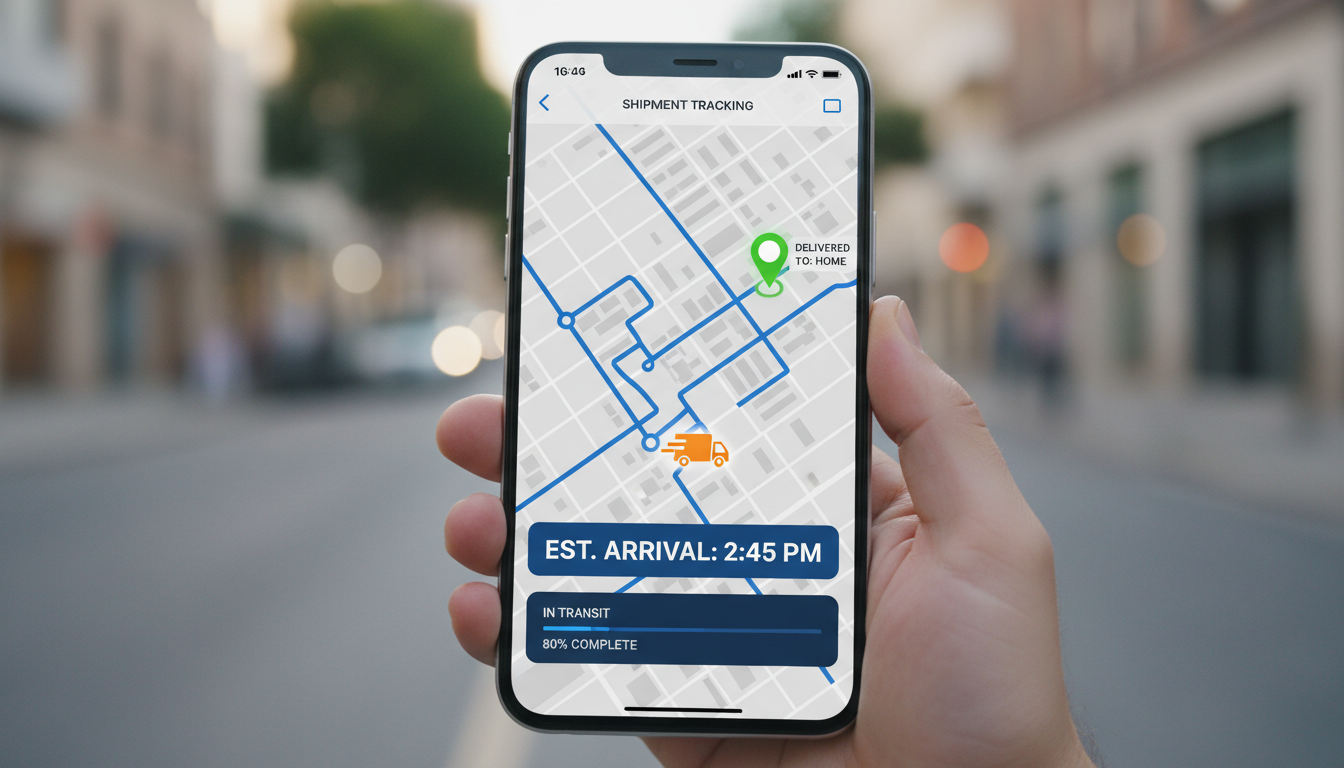
While certifications provide a foundation of trust, the final stage of how carriers should evaluate freight brokers 2026 occurs during the technical negotiation of the rate confirmation. A professional broker demonstrates their value through precision and transparency; if a broker provides vague answers regarding accessorials or tracking, it often signals future operational friction. Before you commit your equipment to a lane, you must extract specific details that protect your bottom line from unexpected overhead.
Critical Question | Expected Professional Response |
|---|---|
What is the detention pay policy? | A fixed hourly rate after the second hour with clear documentation requirements. |
Does this load require real-time tracking? | Immediate confirmation of whether MacroPoint, Project44, or ELD integration is mandatory. |
How are lumper fees handled? | A clear process for advance payment or 24 hour reimbursement with a valid receipt. |
What are the standard vs. quick pay terms? | Defined timelines, such as 21 days standard vs. 2 day quick pay, and associated fees. |
Reliable freight transportation brokerage services anticipate these questions. At Archangel Global Logistics, we provide these details upfront because we understand that hidden costs can erase the profit margin of a small fleet. Beyond the rate, ensure you ask about the specific hours of operation for the receiver and if there are specific requirements for debris removal or trailer washouts. Vague promises like "we will take care of you" are not a substitute for written policies. A broker who is prepared to answer these technical queries immediately demonstrates the logistical maturity necessary to manage freight in a high stakes 2026 market. If you are met with hesitation, it is a clear sign to look for a more professional partner.
Moving from Spot Market Loads to Preferred Carrier Status
Transitioning from the spot market to a dedicated lane requires a strategic shift in how you present your business. In an era where digital fraud is a constant threat, high-trust carriers become a broker’s most valuable asset. When considering how carriers should evaluate freight brokers 2026, the potential for a long-term partnership should be a top priority. Moving beyond the one-off load board mentality allows you to secure consistent revenue and predictable routes while reducing the time spent hunting for freight.
Brokers prioritize operational reliability and document accuracy to protect their reputations with shippers. You can stand out by providing proactive updates before being asked. A simple digital notification at every milestone, including arrival, loading, and departure, reduces the broker’s administrative burden and proves you are in control of the cargo. Furthermore, submitting clean, legible Bills of Lading (BOLs) immediately upon delivery is a hallmark of a professional operator. In 2026, automated systems often process these documents; blurry or incomplete paperwork causes delays that professional firms want to avoid.
Carrier Action | Impact on Broker Trust |
|---|---|
Proactive Tracking | Eliminates the need for check calls and reduces operational friction. |
Digital BOL Submission | Speeds up the billing cycle and ensures prompt carrier payment. |
Transparent Communication | Insulates the broker from the risks of cargo theft and double brokering. |
Archangel Global Logistics actively seeks carriers who demonstrate these professional standards to build dedicated lanes across Florida, the United States, and Canada. By offering elite freight transportation brokerage services, we help reliable owner-operators move away from the volatility of the spot market. Consistent performance on initial loads paves the way for preferred carrier status, granting you priority access to high-quality freight before it ever hits a public board.
Staying ahead of fraud in 2026 requires a proactive approach to vetting your partners and securing your payments. As the logistics landscape becomes more complex, protecting your business from financial risk is more critical than ever. While these steps help you build a solid foundation, managing every detail can be time consuming. If you want expert help streamlining your operations and ensuring your security, we invite you to explore our Services. We are here to help you navigate these challenges with confidence.
Check visibility
Check visibility
Check visibility in